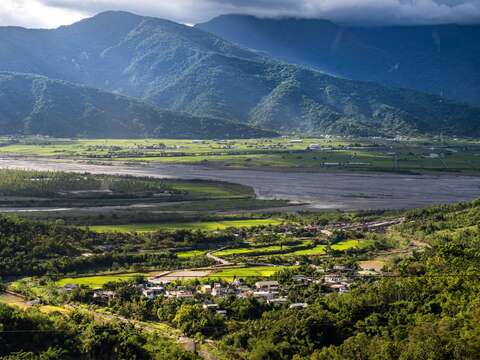
In the southern section of the East Longitudinal Valley lies a hot spring settlement that never calls attention to itself, yet makes you want to slow down the moment you arrive: Antong Hot Springs. There is no noisy tourist street here. Instead, you will find plains of rippling rice fields, stream valleys encircled by mountains, and the quiet rhythm of a century-old hot spring flowing on. For travelers used to life on fast-forward, Antong Hot Springs feels more like a gentle reminder: sometimes travel does not mean going farther, but moving more slowly.
Springtime Slow Travel in the Valley — Drawing Closer to the Mountains and Forests at Just the Right Pace
Located in the East Longitudinal Valley, the Antong Hot Springs area features mild weather and open views in spring, making it the perfect season for outdoor activities. In recent years, the East Longitudinal Valley has actively promoted e-bike and cycling experiences, allowing travelers to move between fields and forests at just the right pace. Along the Yuli Bikeway, broad rice fields sway in the wind, while the Central Mountain Range and a sea of white clouds unfold in the distance. The scenery needs no special framing to be deeply moving. This kind of slow journey is not about how many attractions you can check off, but about truly stepping into the everyday scenery of the East Longitudinal Valley and drawing closer to the rhythm of life on this land.
A Century of Rising Steam — The Historical Warmth of Antong Hot Springs
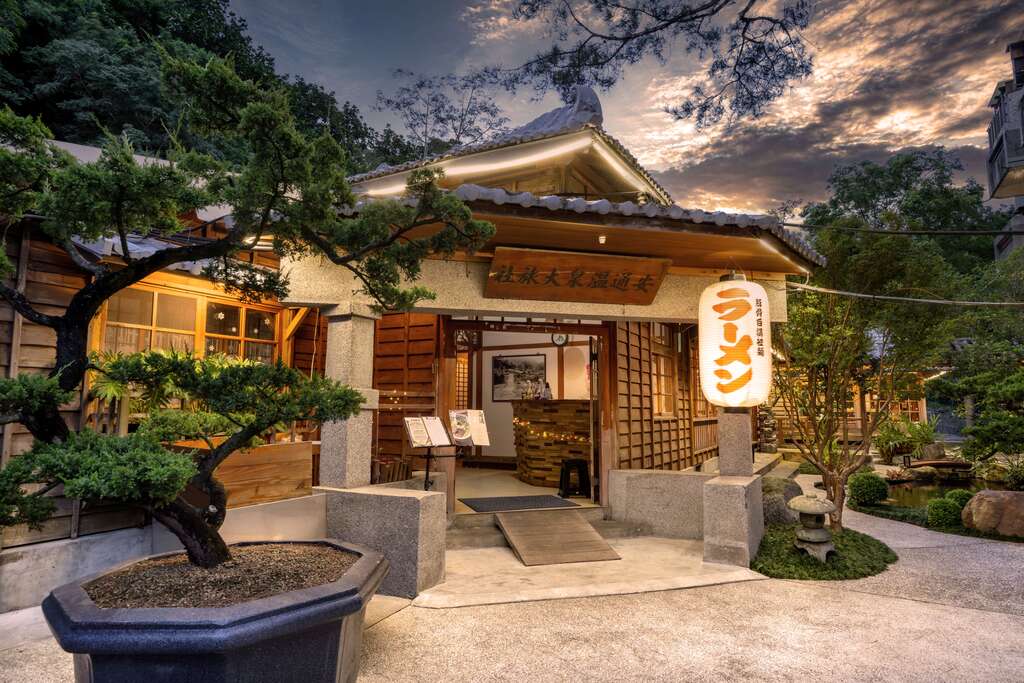
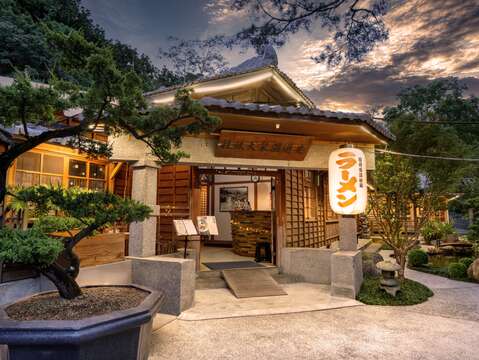
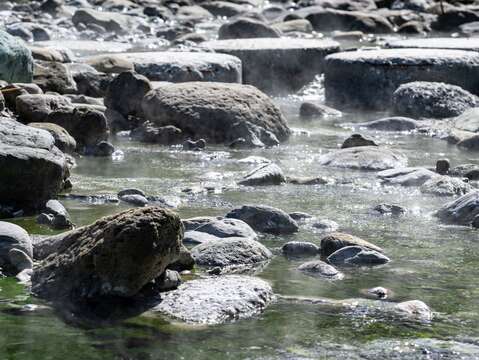
Antong Hot Spring is located on the northern bank of the Antong River, at the boundary between Yuli Township and Fuli Township. As early as the Japanese colonial period, it was listed among the Eight Views of Hualien under the name "Antong Zhuonuan" In 1904, Japanese settlers discovered a hot spring outcrop along the banks of the Antong River, laying the foundation for the development of the hot spring area. To this day, the grounds still preserve wooden single-story houses and tatami spaces from the Japanese colonial period, quietly telling the story of more than a century of time.
Into Villages and Fields — A One-Stop Guide to Slow Food and Slow Living
A trip to Antong is about more than soaking in hot springs. Nearby, the Antong Traversing Trail combines history and nature into a hiking route that retains its original mountain-forest landscape, making it ideal for a light spring hike. The surrounding area can also be linked into a wider journey through Chike Mountain, Ceroh, Kecheng Iron Bridge, and Yuli Shinto Shrine, taking visitors from natural scenery into local culture. When it comes to food, local favorites such as Yuli noodles, stinky tofu, and Qiaotou ice treats are excellent ways to recharge during the trip. In spring, visitors can also try spring tea blending and lemon jam making, experiencing how the land is transformed into flavor. This kind of slow food is not about elaborate presentation, but about tasting the honest flavors of the season and the place of origin.
Travel with All Five Senses — Find Your Own Rhythm in Antong
The charm of the Antong Hot Springs area lies in the fact that it never rushes travelers. Whether you plan a one-day trip of hot spring bathing and leisurely cycling, or a two-day, one-night stay that combines valley hiking, local culture, and hot spring rest, Antong lets the journey unfold naturally. This also echoes the idea promoted by Taiwan Hot Spring: hot springs can be enjoyed in every season and become part of everyday life. This spring, why not slow your pace and step into Antong? Between blue skies, rolling rice fields, and rising steam, you may rediscover a slower rhythm that is entirely your own.
For more information on hot spring areas across Taiwan, please visit the official Taiwan Hot Spring website.